Home defense guns for Minnesota households
A farmhouse twenty minutes from the nearest deputy and a duplex in south Minneapolis have different problems. The choices are the same three: shotgun, pistol, or carbine.
This is general information, not legal advice. Use-of-force law turns on details, and Minnesota's is shaped by court decisions as much as by statute. Read Minn. Stat. 609.06, 609.065 and 609.666, and talk to a Minnesota attorney if you want to understand how they apply to you. Reviewed September 2026.
The law in brief
- Reasonable force may be used to resist an offense against the person (Minn. Stat. 609.06).
- Deadly force is justified only when necessary to resist or prevent an offense you reasonably believe exposes you or another person to great bodily harm or death, or to prevent a felony in your place of abode (609.065). "Necessary" and "reasonable" are judged afterwards by other people.
- No duty to retreat in your own home under Minnesota case law. Outside the home, courts expect you to retreat or avoid the danger when that is reasonably possible.
- Property alone does not justify deadly force.
- Children and loaded guns: negligent storage where a child is likely to gain access is a crime (609.666).
A firearm is the last layer. Good locks, exterior lights, a dog, a charged phone and a plan everyone in the house knows will prevent far more trouble than a gun will ever solve.
The 12-gauge pump
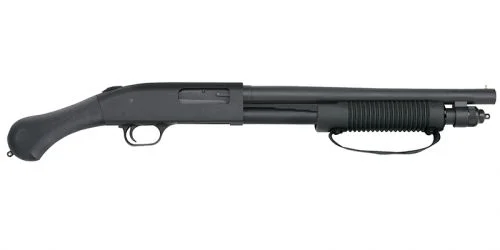
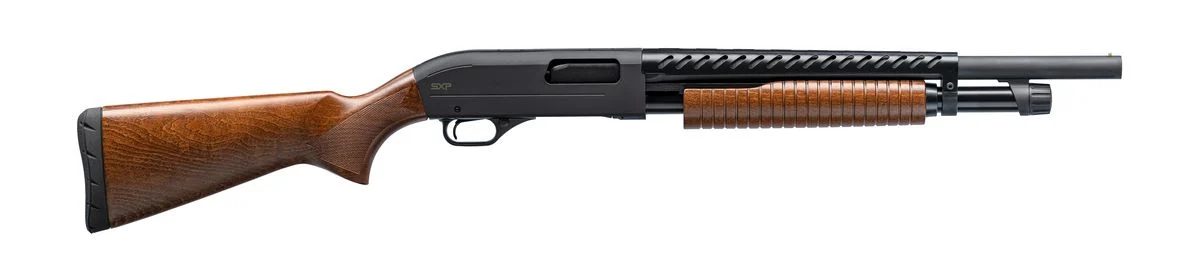
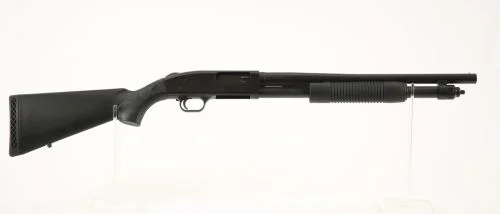
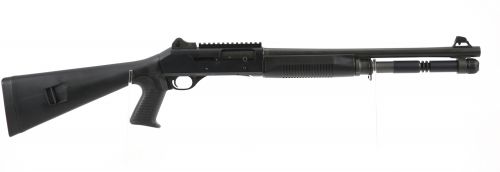
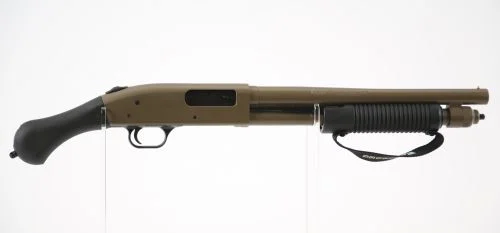
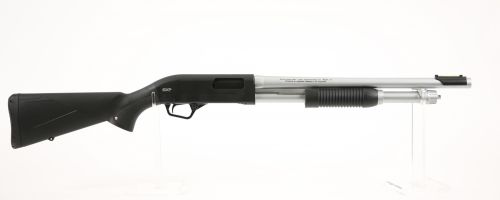
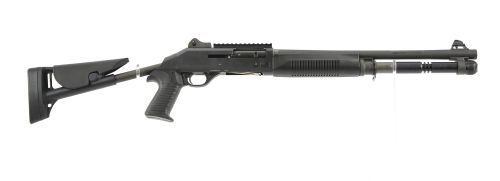
The pump shotgun is the traditional answer in this state, partly because half the households already own one for ducks or deer. It is powerful, simple and affordable, and it needs no permit to purchase. An 18.5 to 20 inch barrel is handier indoors than a 28 inch field barrel, and many pumps accept a second barrel, so one gun can serve the blind in October and the bedroom the rest of the year. Its weak points are recoil, length in a hallway, and the need to practice running the action under stress. A 20 gauge gives up little and is kinder to lighter shooters.
The full-size pistol
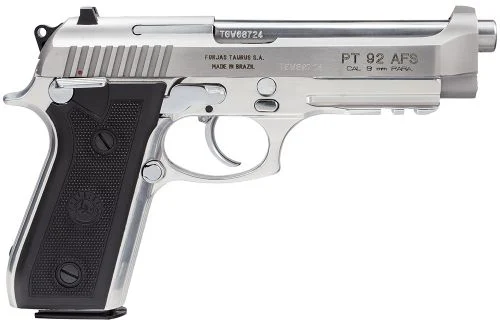
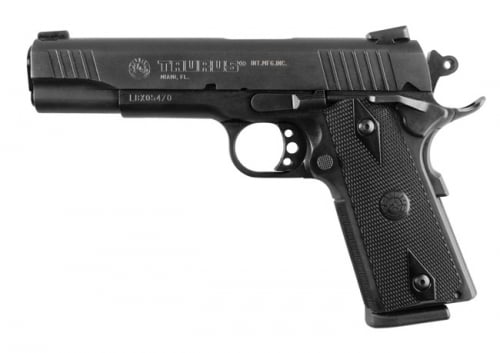
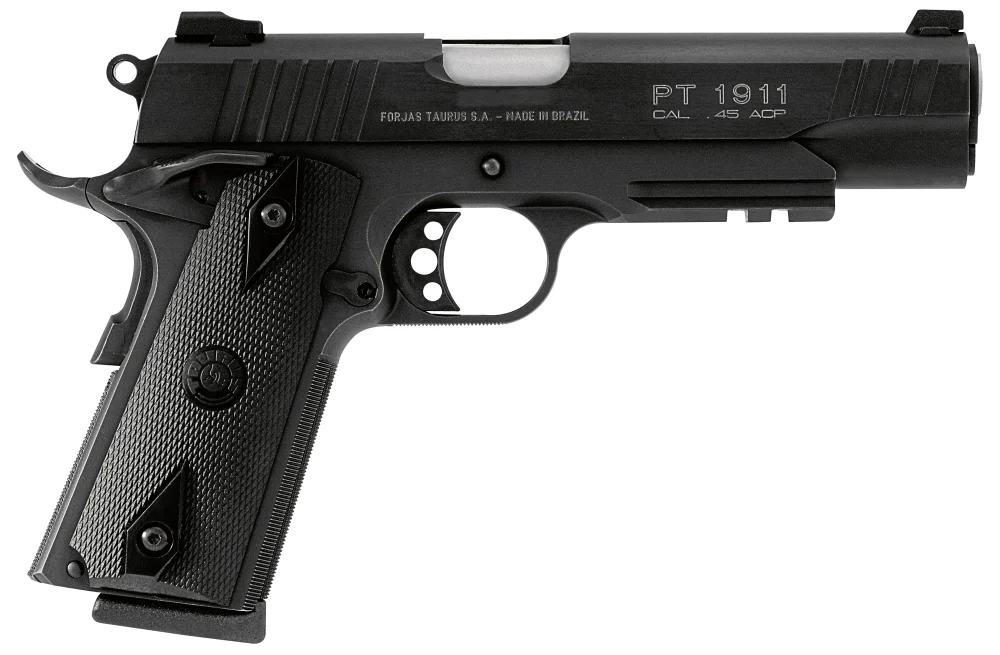
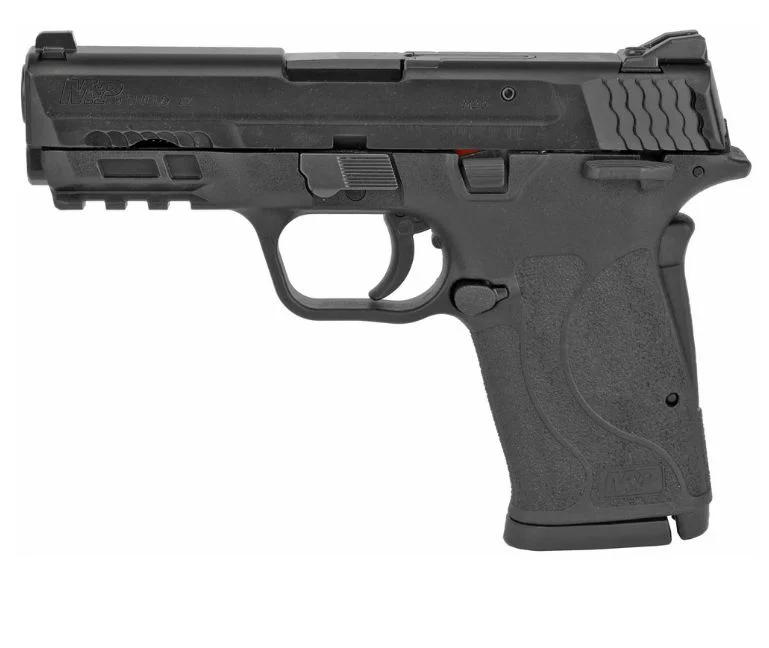
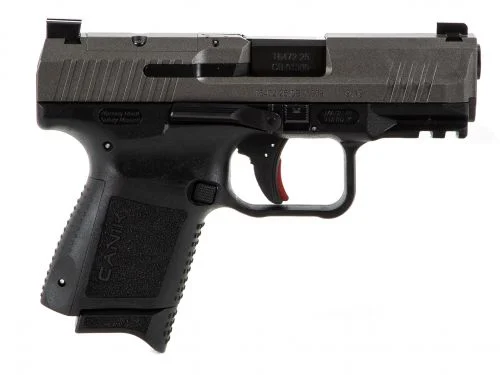
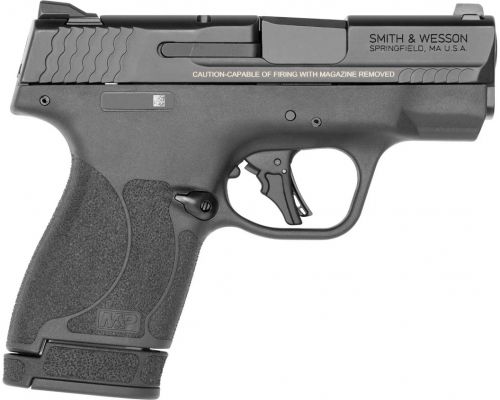
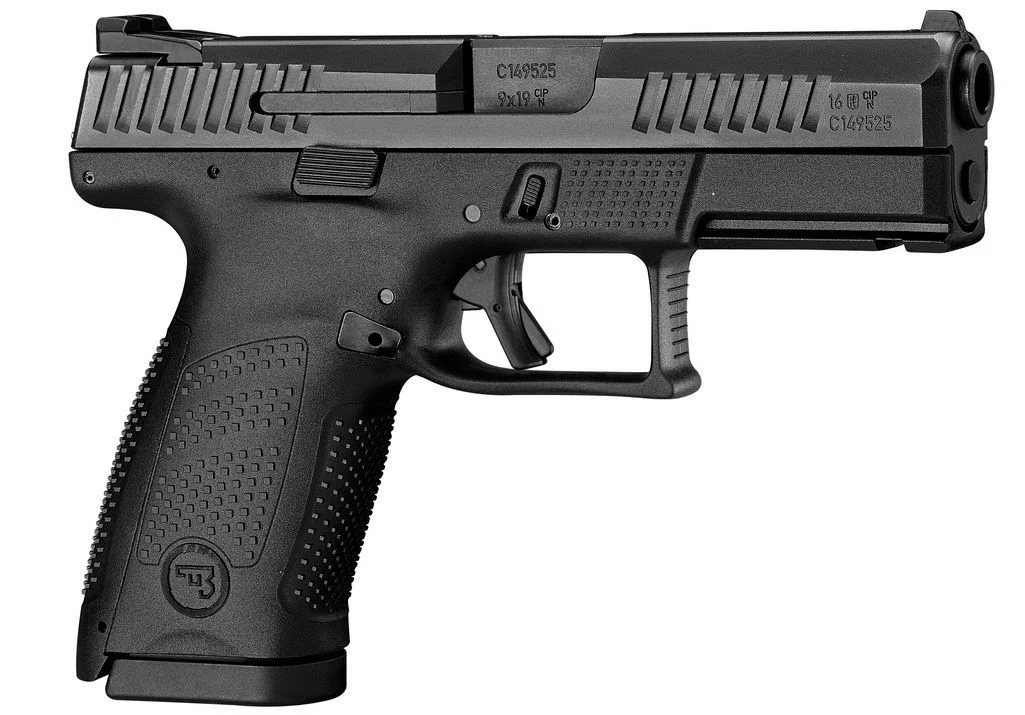
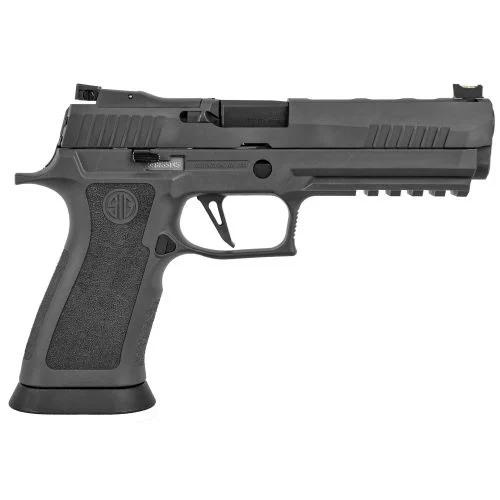
A service-size 9mm holds 15 to 17 rounds, can be kept in a quick-access lockbox bolted by the bed, and leaves a hand free. It takes more practice to shoot well than a long gun, so budget for range time and a basic class. In Minnesota a dealer needs to see a permit to purchase or a permit to carry before transferring a handgun. The permit is free from your police department or sheriff and can take up to 30 days, so apply before you order.
The carbine
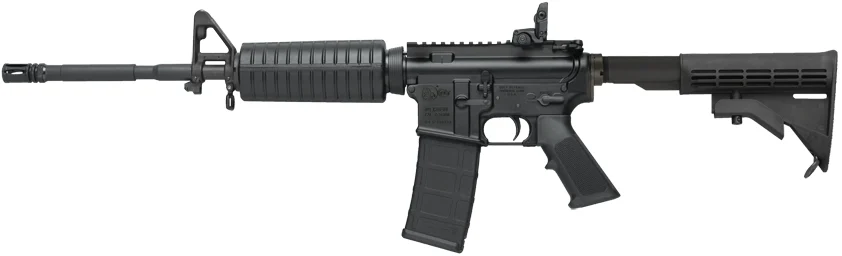
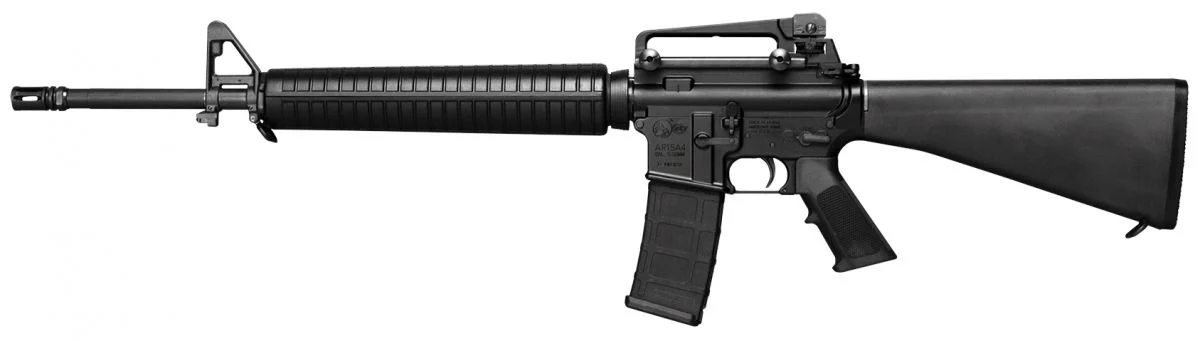
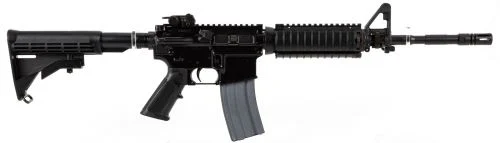
An AR-pattern carbine in 5.56 is light, low in recoil and easy to shoot accurately, and with proper defensive ammunition it tends to break up in building materials sooner than buckshot or pistol bullets. Most fall under Minnesota's definition of a semiautomatic military-style assault weapon (Minn. Stat. 624.712), which means the same purchase-permit rule as a handgun. They are legal to own, and there is no magazine limit.
Storage in a house with kids, guests and winter
- Quick-access lockbox for the one gun you keep ready. Mechanical push-button locks do not care about dead batteries.
- A safe or locking cabinet for everything else, including the deer rifles in the basement.
- Cabin and lake-place guns: an unheated, empty cabin is where guns get stolen. Take them home or lock them in something bolted down.
- Condensation: a gun brought from a cold truck into a warm house sweats. Wipe it down before it goes in the safe.
Practice
Buy the gun, then buy 200 rounds and a lesson. Pattern the shotgun with your defensive load at the longest distance inside your home, which is usually under ten yards, and you will see the pattern is the size of a fist, not a doorway. You still have to aim.